Insights
It’s Not the Size That Matters: Fueling Digitalization for Airports of Every Size

Suraj Singh
Marketing Director, i6 Group


For years, digital transformation in aviation fuel management was seen as something only mega-hubs could afford. But that idea no longer fits the reality on the ground.
Across the globe, airports of every size — from regional to mid-tier — are quietly redefining operational excellence. From Örebro in Sweden to Bradley International in Connecticut, Tromsø in Norway’s Arctic Circle, Hobart in Tasmania, to Regina in central Canada, to name but a few, airports handling anywhere from a few hundred thousand to a few million passengers are modernizing their fuel operations, enhancing reliability, and delivering measurable sustainability gains.
The takeaway is clear:
digital efficiency isn’t just about size — it’s about mindset.
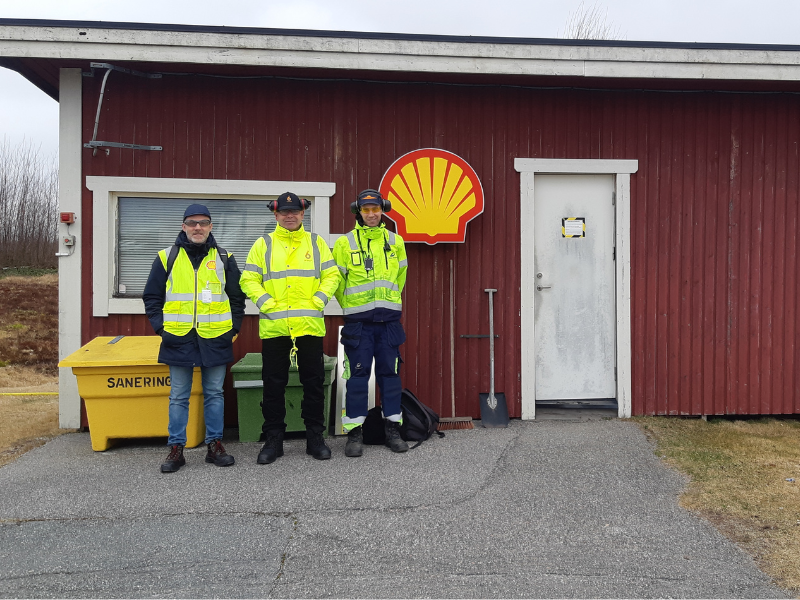
Airports face the same challenges, whatever their passenger numbers: tight schedules, rising fuel costs, and growing pressure to cut emissions.
Smaller teams and older systems often make these pressures feel sharper. Paper tickets, manual data entry, and radio calls are still common — and they create avoidable risk.
Digitization changes that equation.
By connecting vehicles, allocators, and pilots through real-time data, aviation fueling operations can reduce delays, improve safety, and maintain a complete audit trail — without enterprise-level overheads.
--------------------------
Of course, it is not the airport alone that makes this possible — it is the ecosystem around it.
The fuel suppliers, into-plane providers, and fuel-farm operators who manage every litre of fuel on site are the real drivers of digital transformation.
Platforms like i6 give these operators live operational visibility, accurate reconciliation, and connected communication — ensuring that the airports they serve can perform to modern expectations.
“Because our platform scales by vehicle rather than transaction, even the smallest operations can deploy world-class digital tools without heavy investment.” - Baktash Noori, Product Owner, i6.

--------------------------
Each case demonstrates that digital refueling is viable and valuable in any context — not just at global hubs.
--------------------------
When suppliers and into-plane operators digitize, the impact is tangible:
The result is a more connected, data-driven fuel ecosystem — one that serves airports of all sizes, and the passengers that they serve, with equal precision.
--------------------------
Digital transformation no longer requires a huge team or multimillion-dollar infrastructure.
Many fuel operators begin with a focused deployment — such as digitizing task allocation or refueling sign-off — and expand to full integration once the results are proven.
Whether it is an Arctic regional airport or a North American mid-sized hub, smart, scalable technology is delivering big impact without big budgets — faster dispatch and turnaround times, reduced fuel delays, lower wastage (and bigger cost savings), improved fuel efficiency, and a smoother experience for airlines and passengers alike.

Airports, suppliers, and into-plane teams around the world are already modernizing their fuel operations with scalable digital tools. Maybe you have not explored what this could look like for your own site yet.
If you want to understand how real-time data, paperless workflows, and connected operations can improve resilience and sustainability, you can review our case studies and learn how similar operations have made the shift.
→ Explore real-world deployments and discover what digital fuel management could mean for your operation.