Insights
How Does Digital Fueling Speed Up Turnarounds for Low-Cost Carriers?

Suraj Singh
Marketing Director, i6 Group

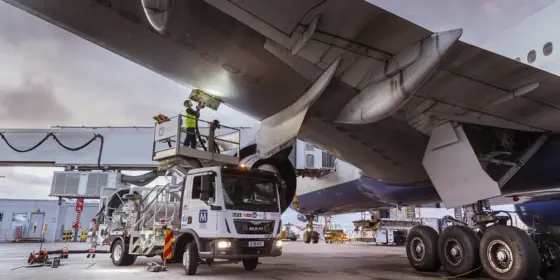
For a low-cost carrier, fueling sits on the turnaround clock, not just the cost line. Digital fueling confirmation replaces the paper docket and the walk back to the truck with a sign-off done at the aircraft in real time, so the fuel step stops holding up the stand. What it changes for an LCC:
The low-cost model runs on aircraft utilization. A short turn, a high number of rotations a day, and an on-time departure are what make the economics work, so every minute an aircraft sits on the stand is a minute that costs the airline. Ryanair, for example, operates around 3,600 flights a day across more than 200 airports on turnarounds as short as 25 minutes. At that tempo there is no slack in the schedule to absorb a fuel step that runs long.
Fueling has traditionally been one of the least predictable parts of that turn. A paper docket, a figure written by hand on the stand, a walk back to the truck, and a signature exchanged after the fact all add minutes and leave room for a mismatch that surfaces later. For a carrier trying to hit a 25-minute turn, that is time and certainty it cannot spare. This is why LCC interest in digital fueling is rarely about the fuel bill first. It is about the clock.
.png)
Digital confirmation moves the fuel sign-off onto the stand and into real time. The crew and the fueler see the same requested figure and the live uplift, agree grade and quantity on the spot, and sign off digitally, with nothing to rekey and no paper to chase. The step that used to introduce uncertainty into the turn becomes a fast, two-sided confirmation that closes before the doors do. Across a day of rotations, minutes saved per flight compound into aircraft that are ready to push back sooner.
--------------------------
On-time performance is the metric most LCCs are judged on, and fuel-related holds are a recurring drag on it. When the fuel figure is agreed digitally at the aircraft, the common causes of a late push-back, an unresolved discrepancy, a missing signature, a figure that has to be confirmed by phone, largely disappear. Fewer fuel holds at the gate feed directly into a better OTP number, which is why carriers frame this as an operational win rather than a procurement one.
.webp)
--------------------------
A delay on the stand does not stay on the stand. In a tightly scheduled LCC operation it cascades into the next rotation and the one after. Real-time confirmation cuts the fuel-related share of those delays at the source: North Air, at Manchester, cut fuel-related delays for their airline customers by 92% after going digital. Keeping the fuel step off the critical path is what stops one slow turn from rippling through the day.
--------------------------
The gains that matter to an LCC are the ones that hold across the whole network, not just the main base. Because the confirmed figure is captured once, at source, it flows straight into reconciliation and reporting without a second manual pass, so the back office is not cleaning up fuel data flight by flight. Every manual step removed is another chance for error and rework gone, and at LCC volumes that adds up to a materially leaner operation, on the stand and behind it.
--------------------------
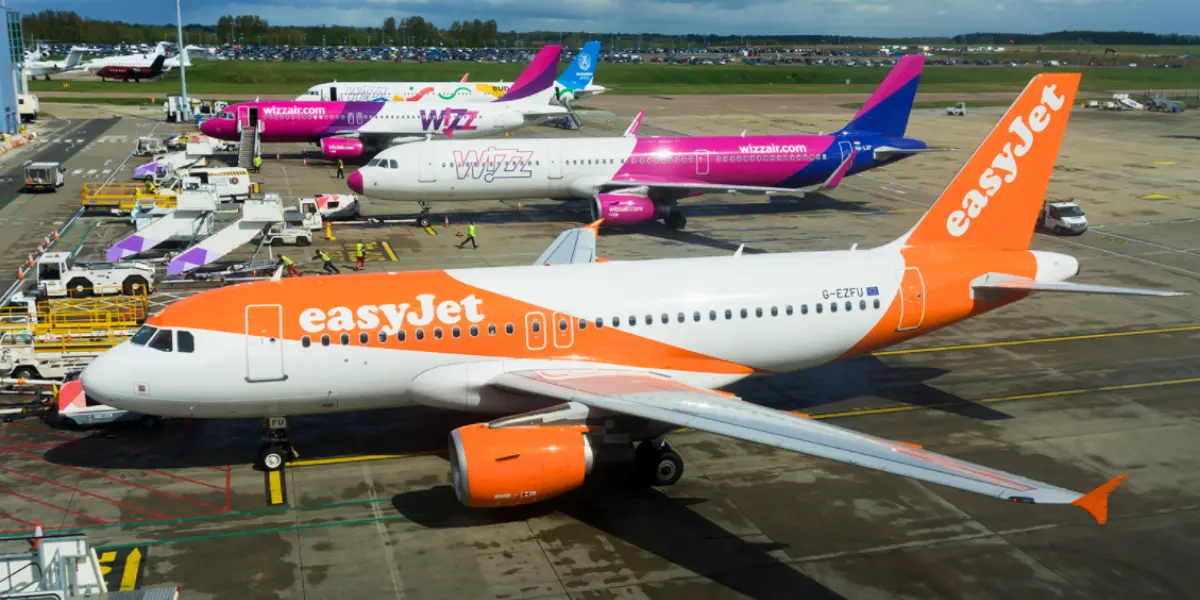
Ryanair, Europe's largest low-cost carrier now runs over 30,000 flights a month on digital sign-off with i6, saving 5 to 10 minutes per flight, and its team frames the move around control and efficiency rather than cost alone. On the ground, North Air cut fuel-related delays by 92% at Manchester, a direct read on the turnaround and OTP gains an LCC is chasing. easyJet has also equipped its pilots with i6 to cut fuel use and emissions, a further sign that the model fits the low-cost operation.
--------------------------
The evaluation question for a low-cost carrier is coverage and speed, not features on a datasheet. Does the confirmation tool reach every airport and into-plane operator on your network, not just your base? Does it work offline on the ramp, so a weak signal at an outstation does not stall the turn? Can the crew amend the order during the refuel without breaking the sign-off? And does the confirmed figure flow into reconciliation and reporting without a second manual step? For a fuller side-by-side of the platforms, see our comparison of fuel confirmation software for large airlines.
--------------------------
Airports, suppliers, and into-plane teams around the world are already modernizing their fuel operations with scalable digital tools. Maybe you have not explored what this could look like for your own site yet.
If you want to understand how real-time data, paperless workflows, and connected operations can improve resilience and sustainability, you can review our case studies and learn how similar operations have made the shift.
→ Explore real-world deployments and discover what digital fuel management could mean for your operation.

How does digital fueling speed up aircraft turnarounds? It moves the fuel sign-off onto the stand and into real time, so the crew and fueler agree grade and quantity digitally and sign off on the spot, with no paper docket or walk back to the truck. The fuel step stops holding up the turn.
Why do low-cost carriers care about digital fueling? Because it saves time on the turn and protects on-time performance, not mainly because it saves fuel. LCCs run short turns and high aircraft utilization, so minutes on the stand matter more than the fuel bill.
Does digital fueling reduce delays? Yes. Carriers report large drops in fuel-related delays after going digital, for example a 92% reduction at North Air in Manchester, because discrepancies are resolved on the stand rather than after the fact.
Can it work across a whole low-cost network? That is the key question in any evaluation. Check coverage of your actual airports and into-plane operators, and offline capability on the ramp, before you rely on it. i6 eHandshake is live with LCCs including Ryanair and easyJet.